Milk crates are everyday objects that perfectly combine practicality with cultural relevance. These simple, stackable containers are essential in the dairy industry for transporting milk safely, but their utility has extended far beyond that. From storage solutions in homes to creative uses in art and urban culture, milk crates have proven themselves to be highly versatile and iconic objects.
Historical Context of Milk Crates
Milk crates originated in the early 20th century when the dairy industry needed a standardised way to transport bottles. Initially, wooden crates were used, but the mid-20th century saw the introduction of plastic milk crates. These lightweight, durable designs made stacking, handling, and storage far easier, transforming dairy logistics. Over time, plastic crates became the standard due to their longevity, ease of cleaning, and ability to protect perishable products during transport.
Design and Functionality
At their core, milk crates are designed for strength and efficiency. Most are made from high-density polythene (HDPE), a material known for durability and resistance to wear. Their interlocking design ensures stability when stacked, which is crucial for storage and transportation. Standard crates often hold around 20 litres and are designed to fit neatly onto pallets or delivery vehicles, maximising space while keeping contents secure. This balance of practicality and durability has made milk crates an enduring choice across industries.
Alternative Uses in Everyday Life
Milk crates are no longer limited to dairy transport—they have found countless uses in homes, businesses, and creative projects. They are commonly used for storage, perfect for organising books, vinyl records, toys, or tools. Their strength and stackability make them particularly popular in small apartments, student dorms, and workshops where space is limited.
In agriculture and gardening, milk crates are often repurposed as planters or for carrying fresh produce. The open grid design allows airflow, which helps maintain freshness, and their portability makes them practical for transporting goods. These alternative uses demonstrate how milk crates combine functionality with convenience in everyday life.
Artistic and Cultural Significance
Beyond practical applications, milk crates have gained a place in art and culture. They are frequently repurposed as furniture, shelving, and installations, appreciated for their industrial aesthetic. Urban artists and musicians have embraced them as symbols of creativity and resourcefulness. Outdoor music events, art exhibitions, and social media trends have showcased milk crates as playful and artistic objects, sometimes even sparking viral challenges. While their popularity in these contexts is often lighthearted, safety remains a key consideration due to potential hazards when used in unconventional ways.
Environmental Impact and Sustainability
The environmental footprint of plastic products is an ongoing concern, and milk crates are no exception. However, their durable construction allows them to be reused many times, reducing the need for single-use alternatives. Some manufacturers also recycle damaged or retired crates to create new ones, supporting circular economy principles.
Milk crates exemplify products that can be repurposed at the end of their lifecycle. Whether used for storage, furniture, or creative projects, these crates extend their usefulness and reduce waste. By combining durability with versatility, milk crates offer a practical example of sustainable design in everyday life.
Safety and Regulatory Considerations
Safety and regulation are crucial for milk crates, particularly when used for food transport. Manufacturers follow strict standards for material quality and construction to ensure hygiene and structural integrity.
When milk crates are used in non-traditional ways, such as DIY furniture or creative projects, it is important to ensure stability and proper stacking to prevent accidents. Awareness of weight limits and structural strength helps minimise risks and makes alternative uses safer for everyday applications.
Commercial Supply and Distribution
Milk crates are widely available through commercial suppliers, catering to businesses and individuals alike. Many suppliers offer crates in different sizes, designs, and colours, reflecting the wide range of uses for these versatile products.
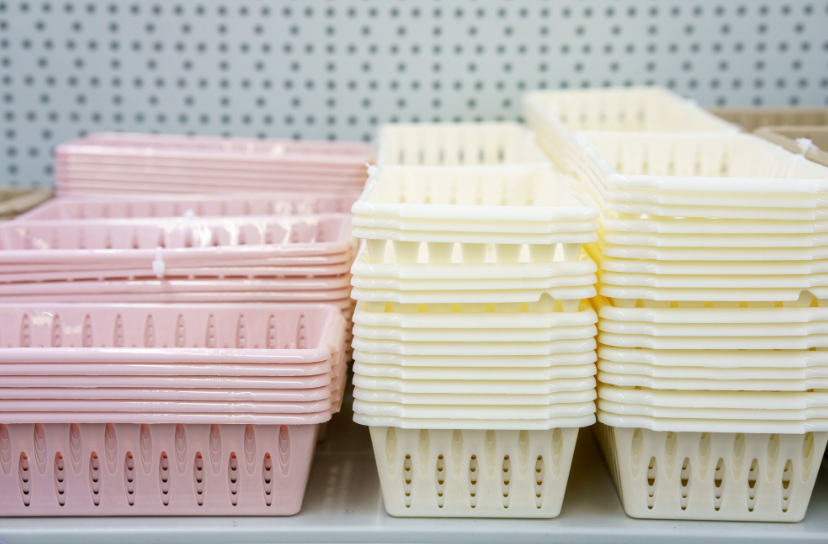
For industrial and commercial buyers, detailed information about weight limits, stacking capabilities, and materials is typically provided. This ensures that crates are used safely and efficiently in applications such as dairy distribution, retail, logistics, and storage solutions. The accessibility of milk crates, combined with their durability, has cemented their role as a staple in multiple industries.
Conclusion: The Enduring Value of Milk Crates
From their origins in the dairy industry to their role in homes, gardens, and creative projects, milk crates have proven themselves to be far more than simple containers. They are durable, versatile, and culturally iconic, offering practical solutions for storage, transport, and even artistic expression.
Their sustainability, adaptability, and widespread availability ensure that milk crates remain relevant in both traditional and modern contexts. Whether serving a functional need or inspiring creative use, milk crates continue to demonstrate the enduring value of simple, well-designed objects in everyday life.
 By
By